HOLIDAY VILLAGE HOMES — AN INDEPENDENT GUIDE

Holiday Village Homes: your independent guide to park homes, static caravans and holiday lodges

This is a free, independent guide to holiday village homes — the park homes, static caravans and holiday lodges found on parks across the UK. We're not a park operator, agent or dealer, and we've nothing to sell you; we simply explain the plain-English facts, in plain English. Below, the guide is laid out as a numbered Plot Index — six short sections, each covering one part of the picture, from what these homes actually are through to the rules that protect you.

See the Plot Index →
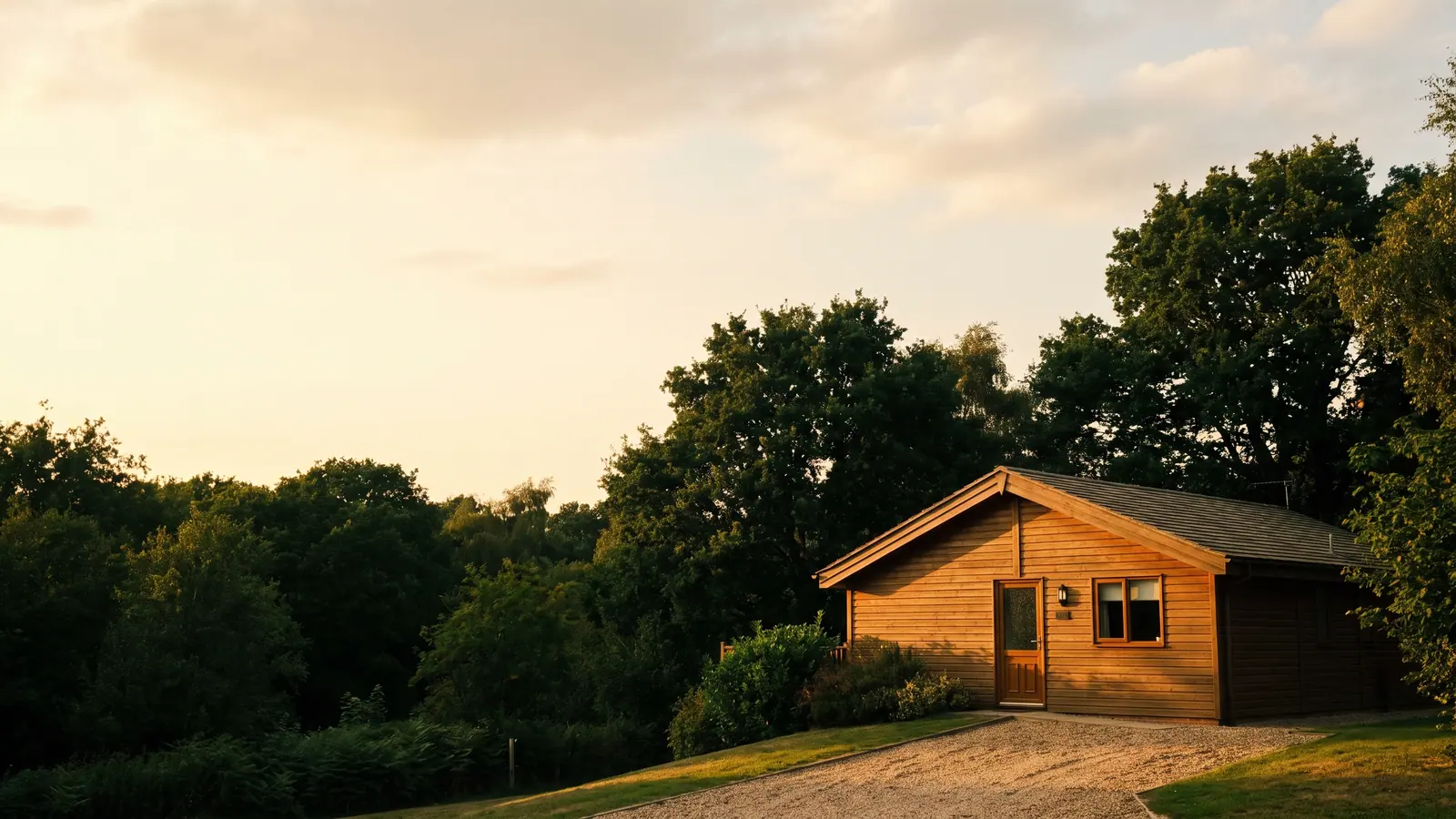
A timber-clad holiday lodge home set among trees on a quiet UK park at golden hour
PLOT 01

What is a holiday village home?

So, what is a holiday village home, exactly? It's a general way of describing the family of prefabricated homes you'll find sited on licensed parks around the UK — park homes, static caravans and holiday lodges. Despite the name, none of them are towed about like a touring caravan; once they're placed on a pitch, they stay put, connected to services and usually skirted at the base so they look and live like a proper home.

Legally, all of these are still classed as a "caravan", and that word comes with a size limit: a caravan is capped at 20 metres in length, 6.8 metres in width and 3.05 metres of internal height. A twin-unit home — the wider style many people picture when they think of a park home — has to be built from no more than two transportable sections that are joined together on site.

What a holiday village home is for — full-time residential living, or holidays and short breaks — depends on the standard it's built to and the licence attached to the pitch it sits on, which is exactly what the next plot covers.
PLOT 02

Holiday use vs residential use

This is the single most important distinction in the whole guide, so it's worth getting straight: a holiday home and a residential park home are not the same thing, even though they can look almost identical from the outside.

Residential park homes are built to the British Standard BS3632, a stricter specification designed for year-round living. Holiday caravans are typically built to the lighter EN1647 standard, intended for seasonal or short-term use — though some holiday units are also built to the tougher BS3632 spec. It is unlawful to live full-time in a home that only meets the EN1647 holiday standard, because it simply isn't designed for permanent occupation.

The same split shows up at site level. Some parks hold a licence for residential or mixed use; others are conditioned by the local planning authority for "holiday use only", or for a set part of the year, such as 11 months out of 12. Parks with holiday-only or seasonal conditions generally aren't "relevant protected sites" under the Mobile Homes Act 1983, which matters a great deal for the legal protections covered in Plot 05.

One persistent myth worth clearing up: registering a holiday caravan for council tax does not make living in it full-time lawful. Council tax is a separate system from planning control, and an owner doing this can still face planning enforcement action.


PLOT 03

What a holiday village home costs

Costs work differently here than for a house or flat, so it helps to separate them out.

Pitch fees. Owning the home doesn't mean owning the ground it sits on — the pitch is leased from the site owner, and an ongoing pitch fee is payable for that. Fees and review terms vary by park, so always check what's actually written into your agreement rather than assuming.

VAT on new homes. New homes built to the residential BS3632 standard carry 0% VAT on the structural build, though removable contents are still taxed at the standard 20% rate. New EN1647 holiday homes are treated differently: 5% VAT applies to the build itself, on top of 20% on contents.

Financing. Traditional mortgages aren't available for park homes or static caravans, because the pitch is leased rather than owned, and the plot isn't registered with the Land Registry. Buyers typically use specialist leisure or park-home loans, personal loans, or hire purchase instead — sometimes covering up to around 80% of the price, over terms as long as 15 years.

Stamp duty and solicitors. Buying a park home typically involves no stamp duty, and there's no strict legal requirement to use a conveyancing solicitor. That said, using a solicitor who specialises in park home law is strongly recommended, given how different the legal framework is from buying a house.

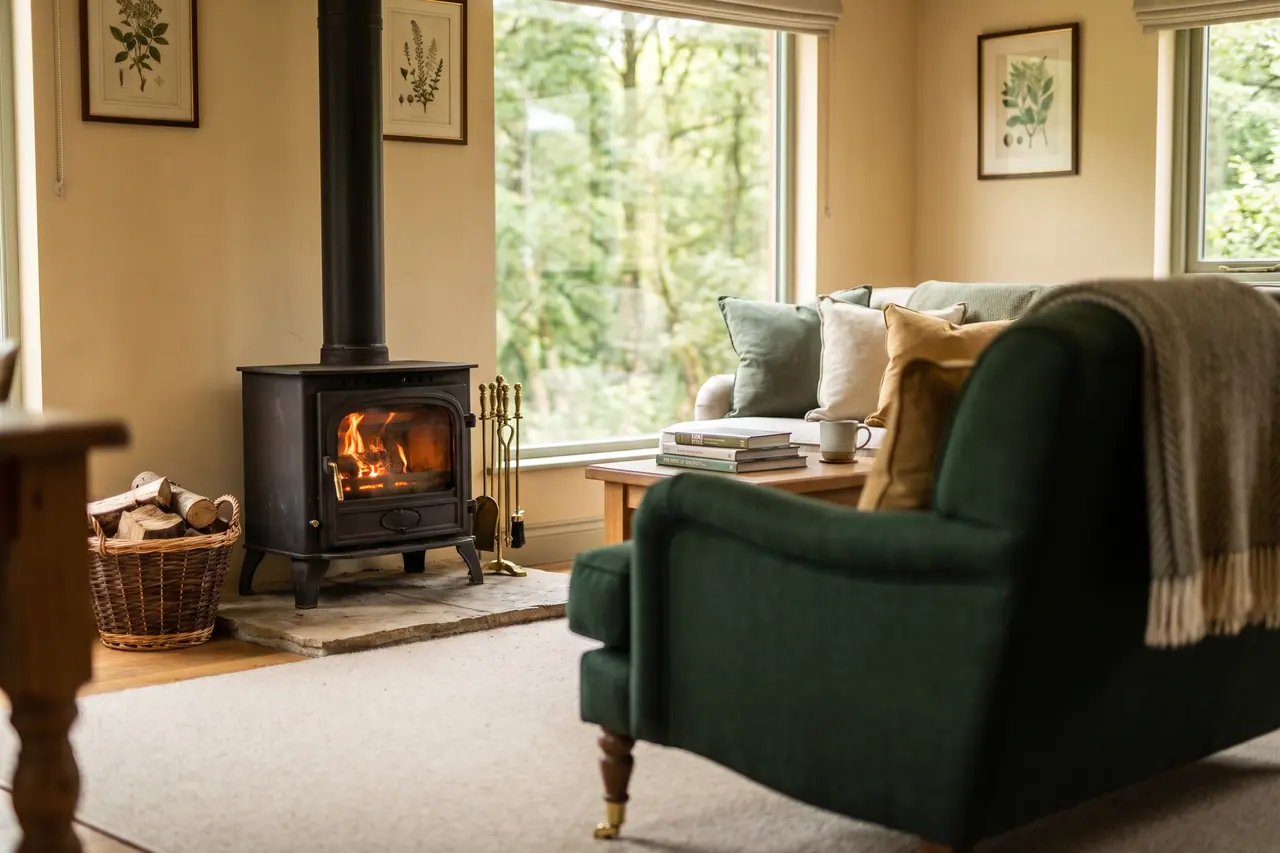
A warmly lit lounge interior inside a UK holiday lodge home

PLOT 04

Buying checklist

  • Confirm the build standard. Ask whether the home is built to the residential BS3632 standard or the lighter EN1647 holiday standard — this determines whether full-time living in it is lawful.
  • Check the site licence and planning conditions. Find out whether the park is licensed for residential or mixed use, or restricted to holiday use or a set number of months a year.
  • Get the written statement. Before you sign — or at least 28 days before you move in — the site owner must give you a written statement in the form set out by the Mobile Homes (Written Statement) (England) Regulations 2011. Read it carefully.
  • Use a specialist solicitor. There's no strict legal requirement to use one, but a solicitor experienced in park home law can catch problems a general conveyancer might miss.
  • Check the pitch fee review terms. Understand how and when the pitch fee can be reviewed, and what's included in the agreement.
  • Ask about resale commission. If you might sell the home later, ask what commission the site owner charges on resale, and how that's calculated.
  • Get independent advice. Services like LEASE (the government-funded, free, independent park home advice service) and IPHAS (the Independent Park Home Advisory Service) can help you understand your position before you sign anything.

PLOT 05

Rules & regulations

Residential park home living is governed chiefly by the Mobile Homes Act 1983, which sets out 28 implied terms covering things like security of tenure, how pitch fees can be reviewed, and the process for selling the home. The current version of these implied terms took effect on 30 April 2011, and they were further amended by the Mobile Homes Act 2013.

One of the best-known implied terms concerns resale commission: under the Mobile Homes (Commissions) Order 1983, a site owner can take up to 10% commission when a park home is resold — a rate that has stood unchanged in England since it was reduced from 15% back in 1983. Wales has taken a different path: in 2018, the Welsh Government decided to taper the commission down by one percentage point a year over five years, to a maximum of 5%, so the position there now differs noticeably from England's 10%.

There is one notable exception to commission altogether: a park home owner can assign — effectively gift — their pitch agreement to a qualifying family member, such as a spouse, parent, child, grandparent, grandchild or sibling, without any commission being payable, since no sale has taken place.

Commission is a genuinely contested topic. A 2022 government-commissioned study found that if the 10% resale commission were abolished outright, pitch fees would likely rise by an estimated 20–32% to compensate site owners — a reminder that costs in this sector tend to move around rather than disappear.

For sites that fall under this protection at all, the local authority must license them under the Caravan Sites and Control of Development Act 1960, alongside planning permission for residential or mixed use. Two trade bodies are worth knowing: the British Holiday & Home Parks Association (BH&HPA), the national trade body for caravan holiday, touring, residential and chalet parks, and the National Caravan Council (NCC), founded in 1939, which represents manufacturers, dealers, distributors and operators across the sector.


PLOT 06

The lifestyle

Set the paperwork aside for a moment, and it's worth asking why people choose holiday village living in the first place. For many, it's a downsizing or retirement move — some parks are even marketed exclusively for over-45s or over-50s residents, positioning a smaller, lower-maintenance home as a deliberate lifestyle choice rather than a compromise. The government has estimated that around 85,000 households live across roughly 2,000 parks in England, so this is a genuinely well-established way of life, not a niche one. Others use a holiday lodge or static caravan simply as a second home, a place for weekends and holidays rather than everyday living, drawn by the sense of community and the outdoor, low-upkeep way of life a park can offer.

Whichever reason brings you to it, the same advice applies: read the site licence, understand the standard your home is built to, and get independent legal and financial advice before you commit — this guide is a starting point, not a substitute for that. If you have questions about anything in this guide, you're welcome to reach us at hello@holidayvillagehomes.co.uk — we're a source of information, not a park, agent or dealer, so we won't be trying to sell you anything.

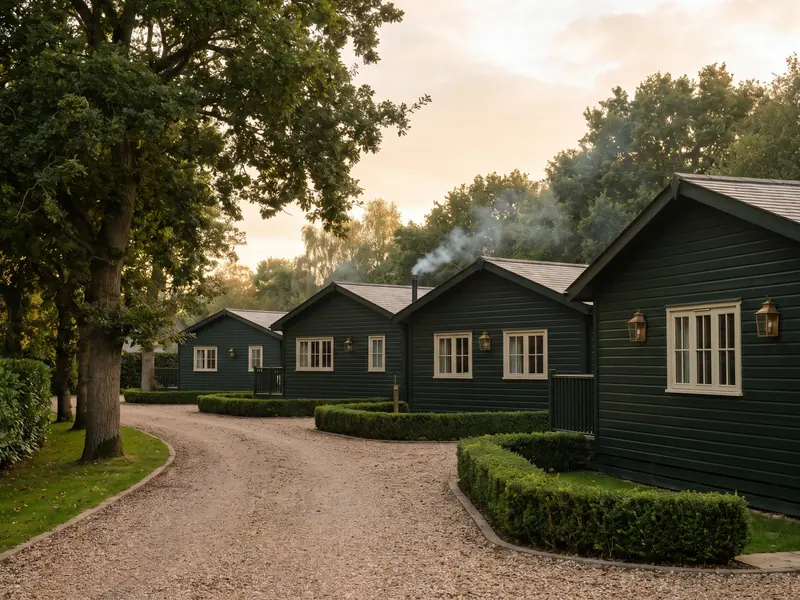
A quiet gravel drive past a small cluster of holiday lodge homes in the late afternoon